
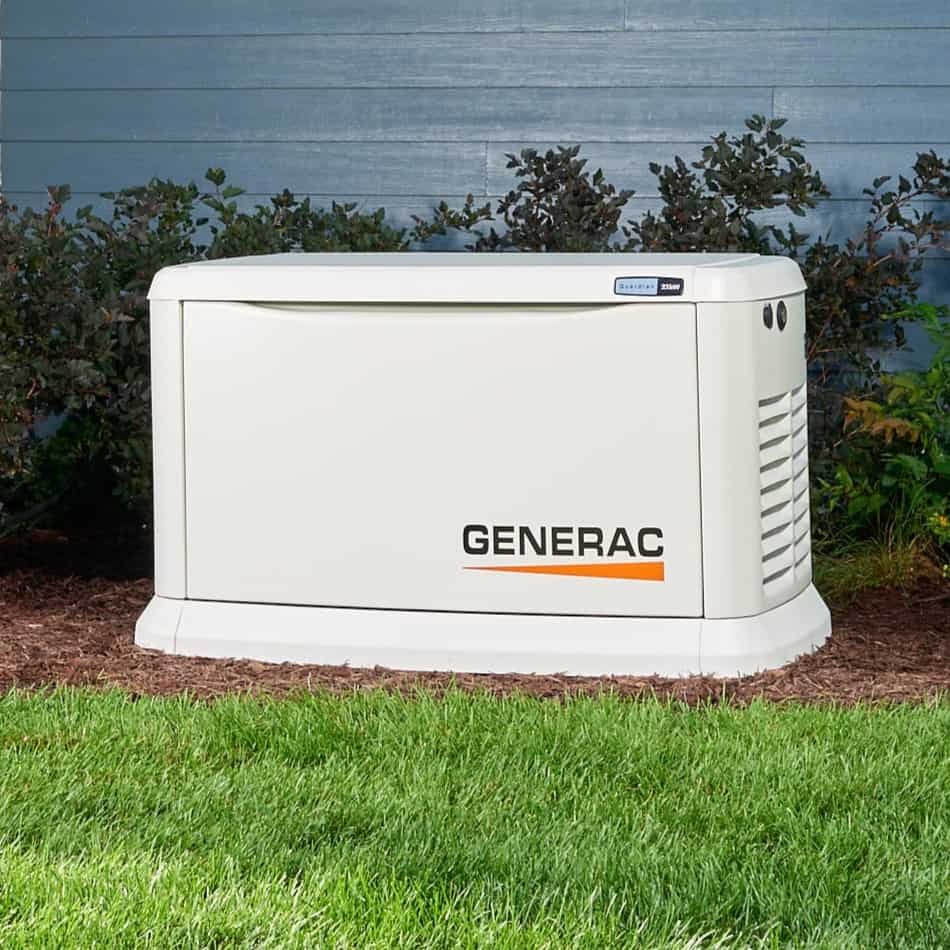
Homeowners planning a backup generator often ask the same question first. Does a generator need a panel upgrade, or can it simply connect to the system you already have? The honest answer depends on your generator size, your current panel, and how the two are meant to work together.
The Short Answer
In many cases, yes. Whether your generator needs a panel upgrade usually comes down to available breaker space and whether your existing panel can safely handle the added load.
Smaller portable generators paired with a simple interlock kit may not require a full panel replacement. Larger standby generators designed to power most or all of a home almost always require panel changes to handle the transfer safely.
There is rarely a single answer that applies to every property. Two homes on the same street can have completely different panels, breaker space, and electrical history, which is exactly why a proper assessment matters more than a general rule of thumb.
What Determines Whether You Need a Panel Upgrade
A few key factors decide the answer for your specific property. Similar considerations apply when evaluating electrical panel upgrades for EV charging, since the panel must have enough capacity to safely handle the added electrical load.
Your Home’s Current Panel Capacity
Older panels, especially those rated at 100 amps or below, often lack the capacity and available room to support a generator connection alongside your home’s existing electrical demand.
The Size of the Generator You Are Installing
A small portable unit powering a few circuits places far less demand on your system than a whole-home generator designed to run your entire property during an outage.
Whether You Are Using a Transfer Switch or Interlock
A transfer switch installation safely isolates your home from utility power when using a generator. Depending on your panel’s age and available space, adding this equipment may require upgrades to fit it properly and safely.
Signs Your Panel May Not Be Ready for a Generator
Limited Breaker Space
If your panel is already full or close to it, there may not be room to add the breakers a generator connection requires without upgrading the panel itself.
An Outdated or Undersized Panel
Panels installed decades ago were not built with modern backup power systems in mind. If your panel predates newer safety and capacity standards, an upgrade is usually part of the conversation.
Frequent Trips With Your Current Load
If your panel already struggles with your everyday electrical use, adding a generator connection on top of that strain is not a safe long-term solution.
When a Panel Upgrade Is Not Needed
If your panel has adequate capacity, open breaker space, and meets current code requirements, a smaller generator setup may connect without a full upgrade. Understanding the electrical panel requirements for EV chargers is also important when planning other high-demand electrical equipment for your home. In these cases, an electrician can often install a transfer switch and connect the generator directly.
This is more common with smaller portable generators used for limited backup power rather than whole-home coverage.
When a Panel Upgrade Is Needed
If you are installing a standby generator meant to power most of your home, chances are strong that a generator-needs-a-panel-upgrade situation will apply. Larger systems typically require a new panel, additional breaker space, and a properly rated transfer switch to handle the load safely.
Older homes with outdated panels almost always need this step, regardless of generator size, simply because the existing infrastructure was not built to support it. Panel upgrades for generator installation may be necessary when the existing electrical system lacks the capacity or breaker space required for the new equipment.
Why Getting This Right Matters
Skipping a needed panel upgrade is not just inconvenient; it is a safety risk. An undersized panel forced to handle more load than it was built for can overheat, trip repeatedly, or fail exactly when you need backup power most.
A properly sized panel also protects your generator investment. Pairing new equipment with an outdated system often shortens its lifespan and can void manufacturer warranties that require proper installation.
Beyond the equipment itself, an unsafe connection can also create problems during a home sale or insurance review, since inspectors and adjusters often flag mismatched electrical work.
How We Help You Install Your Generator the Right Way
Every generator project starts with an assessment of your current panel, your home’s electrical load, and the generator size you are considering. From there, we clearly explain whether a generator panel upgrade applies to your home before any work begins.
If an upgrade is needed, we handle the panel replacement, transfer switch installation, and final connection as one coordinated project. If your current panel already has the capacity, we will tell you that too, rather than recommending work you do not need.
Schedule Your Generator Installation Consultation
Before you buy a generator, it is worth knowing whether your panel can support it. Our licensed electricians can assess your home’s electrical system and give you a clear answer, along with an honest recommendation for what your setup actually requires.
Contact us today to schedule a generator and panel assessment. We will help you plan a backup power system that is properly sized, safely installed, and ready for the next outage.
Frequently Asked Questions
Not always. Smaller generators paired with adequate panel capacity may not require an upgrade, while whole-home systems usually do.
Standby generators designed to power most or all of a home typically require panel upgrades, while small portable units often do not.
Cost depends on your panel’s current condition and required capacity. An electrician can provide an accurate estimate after an inspection.
No, a transfer switch is required to safely isolate your home from utility power and prevent dangerous backfeed during an outage.
Most residential panel upgrades and generator connections are completed within one to two days, depending on panel condition and scope.


